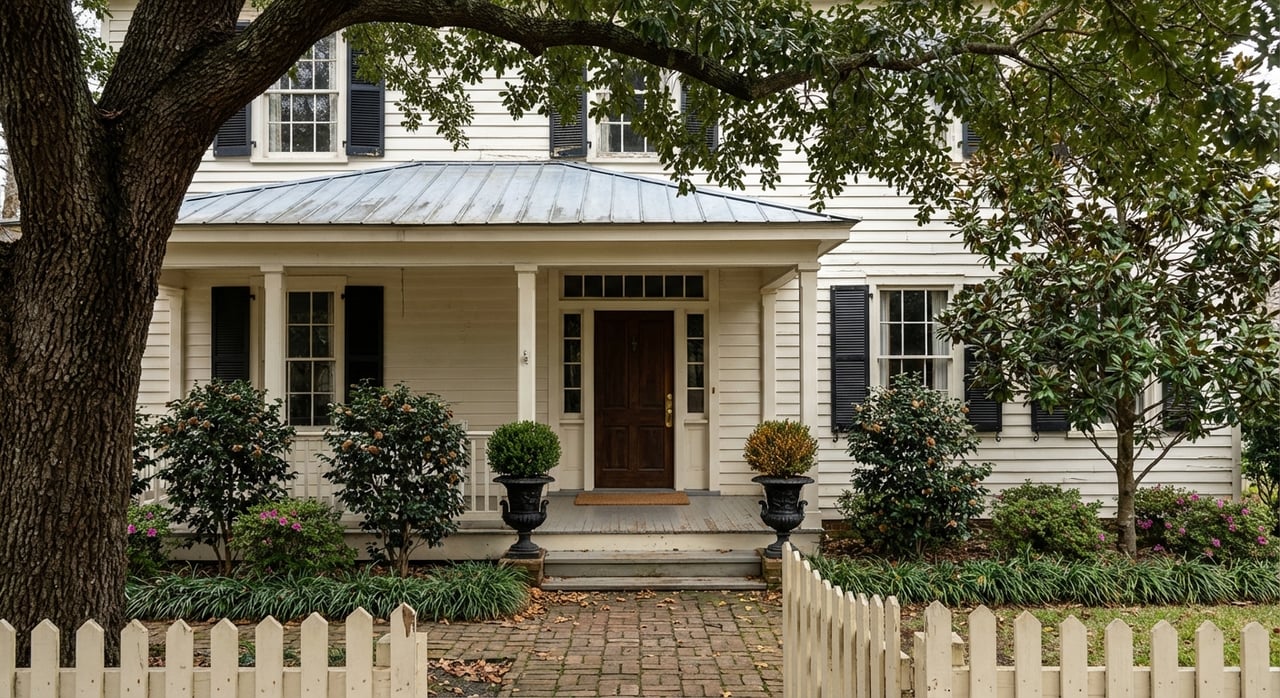
Have you ever stepped onto a deep Southern porch and felt time slow down? If you’re drawn to tall ceilings, original woodwork, and a sense of story in every room, a historic home in Columbus might be calling your name. At the same time, you may be wondering about maintenance, rules, and how to finance updates the right way. In this guide, you’ll get a clear picture of daily life, architecture, maintenance priorities, incentives, and next steps tailored to Columbus and Lowndes County. Let’s dive in.
Why Columbus loves its old houses
Columbus is nationally recognized for preservation and historic character. The city is a Preserve America community with multiple National Register districts and lovingly maintained private homes that open for seasonal tours. You can learn more about that recognition through the federal Preserve America profile for Columbus.
The city’s calendar makes preservation part of everyday life. Events like the Spring Pilgrimage bring visitors into private homes for guided tours, while other programs celebrate local history and the arts. If you live in these neighborhoods, you’ll feel the civic pride and, at times, a bit more activity during event weeks. Explore the Spring Pilgrimage itinerary to see how the community showcases its homes.
Where historic homes cluster
Most historic homes concentrate in National Register districts near downtown and along established streets with mature trees. Living here often means quick access to restaurants, shops, and the Riverwalk. Traffic and foot activity can vary by block, especially during major events, so it helps to visit at different times of day.
You’ll find streetscapes defined by front porches, original sidewalks, and long-set patterns of lot size and setbacks. This creates a consistent, neighborly feel that many buyers seek out.
Styles you’ll see and what they mean
You’ll spot several classic Southern styles across Columbus. Greek Revival homes often feature monumental columns, a center-hall plan, and tall windows. Italianate and Queen Anne houses show more ornament and asymmetry, with bay windows and elaborate trim. Early 20th-century bungalow and Craftsman homes deliver deep porches and efficient layouts.
Expect character details like original hardwood floors, high ceilings, plaster walls, transoms over tall doors, and generous covered porches. Grand examples such as the Riverview, also known as the Charles McLaran House, showcase these features at a high level of finish. You can see a concise overview of Riverview’s history in this Riverview House entry.
Floor plans vary by era. Many antebellum houses use a central hall with rooms on both sides. Victorian-era homes can have multiple parlors and complex circulation. Early 20th-century homes lean toward more compact, practical room arrangements that still feel open thanks to tall ceilings and large windows.
Day-to-day living realities
Daily life in a Columbus historic home often centers on the porch and parlor. You get generous interior volumes, natural light, and the social rhythm that comes with established blocks near downtown. During major events and tours, expect more visitors in certain corridors, along with a strong sense of community pride.
Comfort takes some planning in older houses, especially where single-pane windows and original materials remain. Many owners improve comfort with targeted insulation, high-efficiency HVAC, weatherstripping, and well-designed storm windows. The National Park Service shares practical methods for upgrading performance while keeping original fabric intact in its Technical Preservation Briefs.
Safety and health also matter in older homes. For any house built before 1978, the EPA recommends testing and using lead-safe work practices for painted surfaces. Learn the basics in the EPA’s guide to making your home lead-safe. Mississippi’s climate also means staying ahead of moisture and termites; routine inspections and preventive treatments are common. The Mississippi State University Extension outlines effective termite control methods for the region.
Maintenance priorities that matter
Historic homes reward steady care. Here are the priority areas to budget for and inspect:
- Structure and water management. Roofs, flashing, gutters, and site drainage keep water away from foundations and porches. Address moisture first before cosmetic fixes. NPS guidance emphasizes moisture control as your first defense.
- Porches and exterior wood. Porches are focal points and frequent repair items. Keep paint in good condition and watch for soft wood on steps, rails, and columns.
- Termites and other pests. Schedule a wood-destroying organism inspection and maintain your treatment history. Subterranean termites are common in Mississippi.
- Mechanical systems. Older electrical, plumbing, and HVAC often need updates. Plan for modern loads, code compliance, and efficient heating and cooling that respect the home’s original layout.
- Lead and other hazards. For pre-1978 paint, follow EPA lead-safe practices during repairs. If mid-20th-century materials are present, test for asbestos and use certified abatement where needed.
- Windows and doors. Repairing original windows with weatherstripping and adding storms often preserves character and improves comfort without full replacement.
Keep a simple maintenance log. Document contractor work, termite treatments, paint schedules, and roof or drainage upgrades. This record helps with future resale and insurance.
Rules, approvals, and incentives
Columbus participates in Mississippi’s Certified Local Government program. If a property sits inside a local historic district, visible exterior changes may need design review. Before you plan anything like a new porch railing or window change, confirm designation status and application steps with the city or the Mississippi Department of Archives and History. Start with the MDAH page on preservation planning and development.
If you plan a rehabilitation, tax incentives can help. Mississippi offers a 25 percent state rehabilitation tax credit, and the federal program offers a 20 percent credit for certified rehabilitation of income-producing historic buildings. Under certain conditions, the state credit can apply to owner-occupied homes. Both programs follow the Secretary of the Interior’s Standards, and early coordination with MDAH is recommended.
Local support can add small, meaningful boosts. Main Street Columbus runs downtown improvement programs that can include façade grants and material guidance. Learn more about their mission on the Main Street Columbus site.
Financing renovations the smart way
Renovation-friendly mortgages can bundle purchase and rehab into one loan. FHA’s 203(k) program is widely used for older homes. It allows you to include qualified repair and upgrade costs in a single, FHA-insured mortgage. Get program details on the FHA 203(k) page.
Conventional buyers sometimes use Fannie Mae’s HomeStyle Renovation program, which can also roll approved project costs into your primary mortgage. It works well when you have a defined scope with licensed contractors. Review the basics on HomeStyle Renovation.
With both loan types, expect to gather contractor bids, an as-completed appraisal, and use draw schedules that release funds as work progresses. A local agent who knows the lender landscape can help you set a practical timeline.
Is a historic home a fit for you?
Historic homes appeal to buyers who value craftsmanship, walkable neighborhoods, and a strong sense of place. You get one-of-a-kind rooms and materials that are hard to replicate today. In return, you accept a steady maintenance routine and the need for contractors who understand historic materials.
The most confident buyers set a clear renovation budget and hire the right inspectors early. If you are comfortable planning projects in phases and documenting work for future value, a Columbus historic home can be a rewarding long-term choice.
Smart first steps in Columbus
Use this checklist to move from interest to action:
- Tour local homes. Attend Spring Pilgrimage or scheduled tours to see real interiors and typical conditions in Columbus.
- Ask for records. Request seller maintenance logs, termite treatment history, utility bills, and any recent roof or WDO reports.
- Order targeted inspections. Include structure, detailed WDO, lead testing for pre-1978 paint, and HVAC, plumbing, and electrical reviews.
- Confirm rules early. Check whether the property sits in a local historic district and if exterior changes will need design review.
- Explore incentives. If you plan substantial rehab, contact MDAH early to discuss eligibility and certification timelines for state and federal credits.
- Compare renovation loans. Speak with lenders who offer FHA 203(k) or HomeStyle about bids, draws, and as-completed appraisals.
- Budget for the long game. Set aside funds for porch, roof, paint, drainage, and periodic termite inspections or treatments.
Work with a local guide
Buying a historic home is part research, part vision, and part coordination. You deserve a partner who knows which streets see more event traffic, which inspectors understand old structures, and how to align financing with your project scope. If you’re ready to explore historic homes in Columbus and the Golden Triangle, let’s talk. Connect with Delta-Gulf Real Estate Corporation to plan your next steps with a local, hands-on team by your side.
FAQs
What should I know about rules for historic homes in Columbus?
- If a property is inside a local historic district, visible exterior changes may require design review. Confirm status and steps with the city or MDAH before you plan work.
How do tax credits work for Mississippi historic rehabs?
- Mississippi offers a 25 percent state credit and the federal program offers 20 percent for certified rehabilitation of income-producing buildings. Owner-occupied projects can be eligible for the state program under certain conditions.
Which renovation loans can help me update an older house?
- FHA 203(k) and Fannie Mae HomeStyle Renovation can combine purchase and qualified rehab costs into one mortgage. Expect contractor bids, an as-completed appraisal, and draw schedules.
What inspections matter most for an older Columbus home?
- Prioritize structure, roof, drainage, and a detailed WDO inspection for termites. For homes built before 1978, add lead-risk testing. Review HVAC, plumbing, and electrical for safety and capacity.
How do Columbus events affect daily life in historic districts?
- Events like Spring Pilgrimage bring pride and extra visitors to certain streets for short periods. Many residents enjoy the energy and plan errands or parking with event days in mind.
